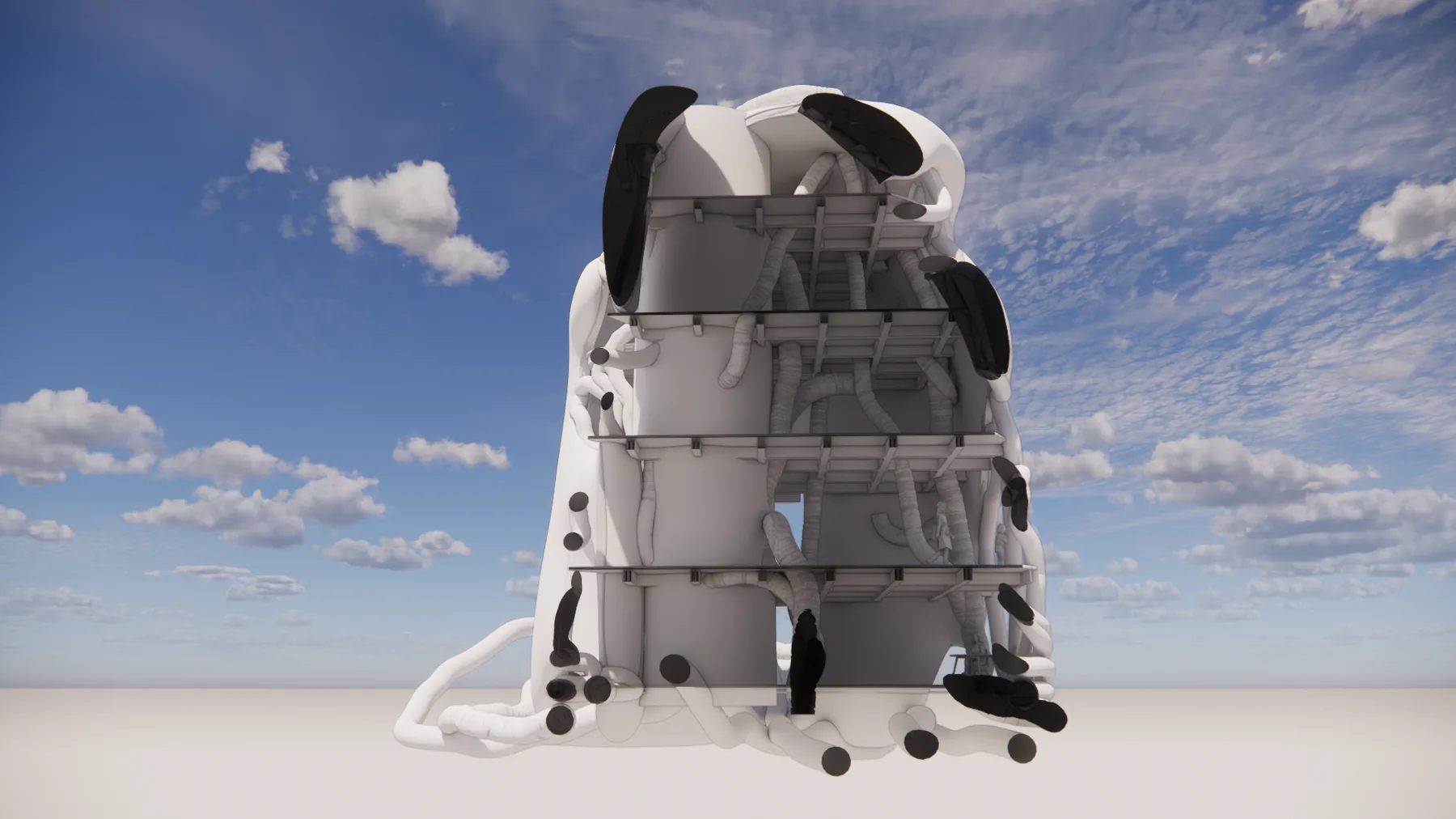
Artificial Context
2026Context extracted from a fine-tuned image model rather than from a site — a study in the absurdity of synthetic context.
- Type
- Graduate design studio — final
- Role
- Group project
- Tools
- Grasshopper · Flux.1-dev LoRA · Karamba3D · Wallacei X · Ladybug · MATLAB · Blender
- Status
- Completed studio project
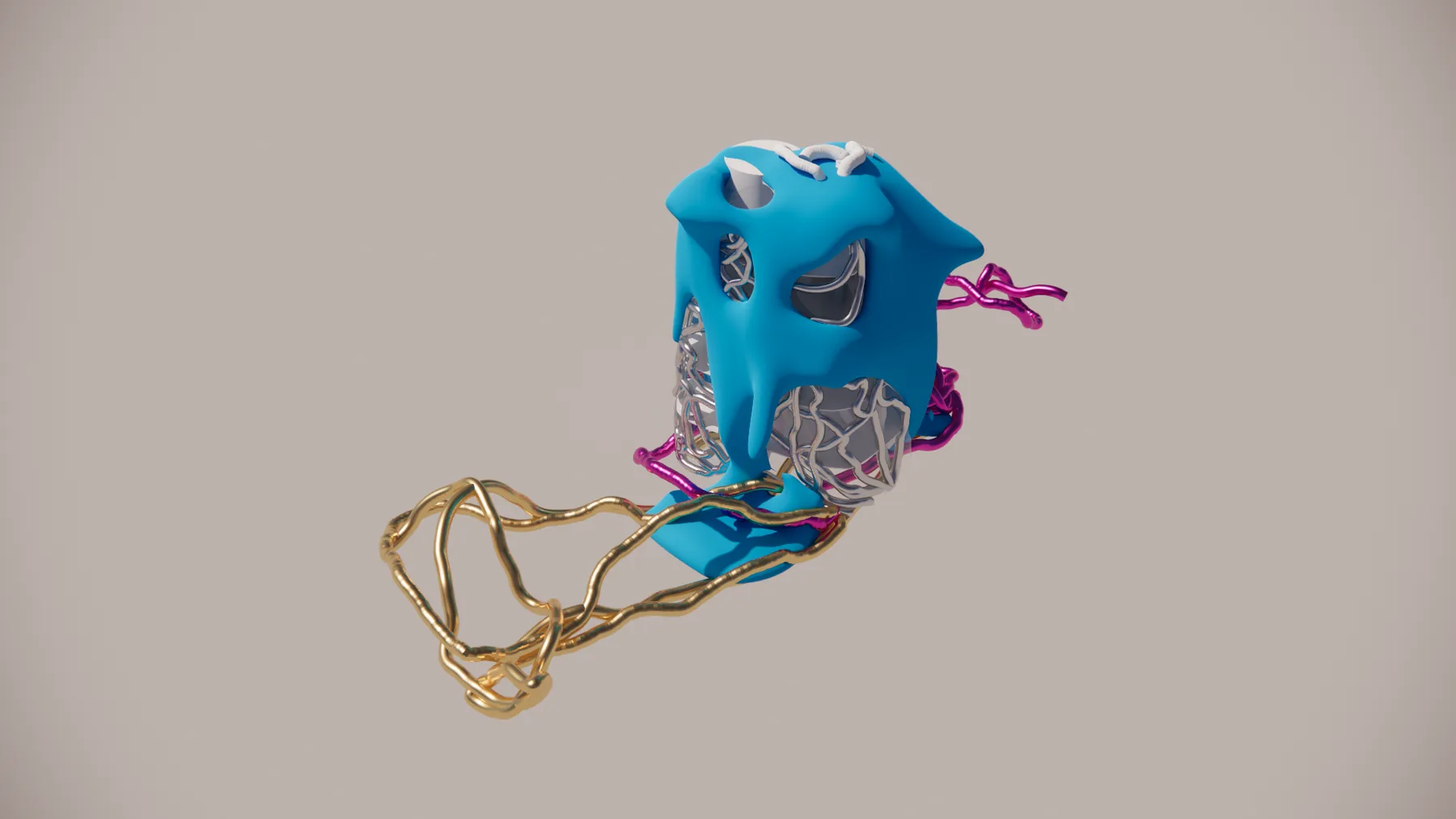
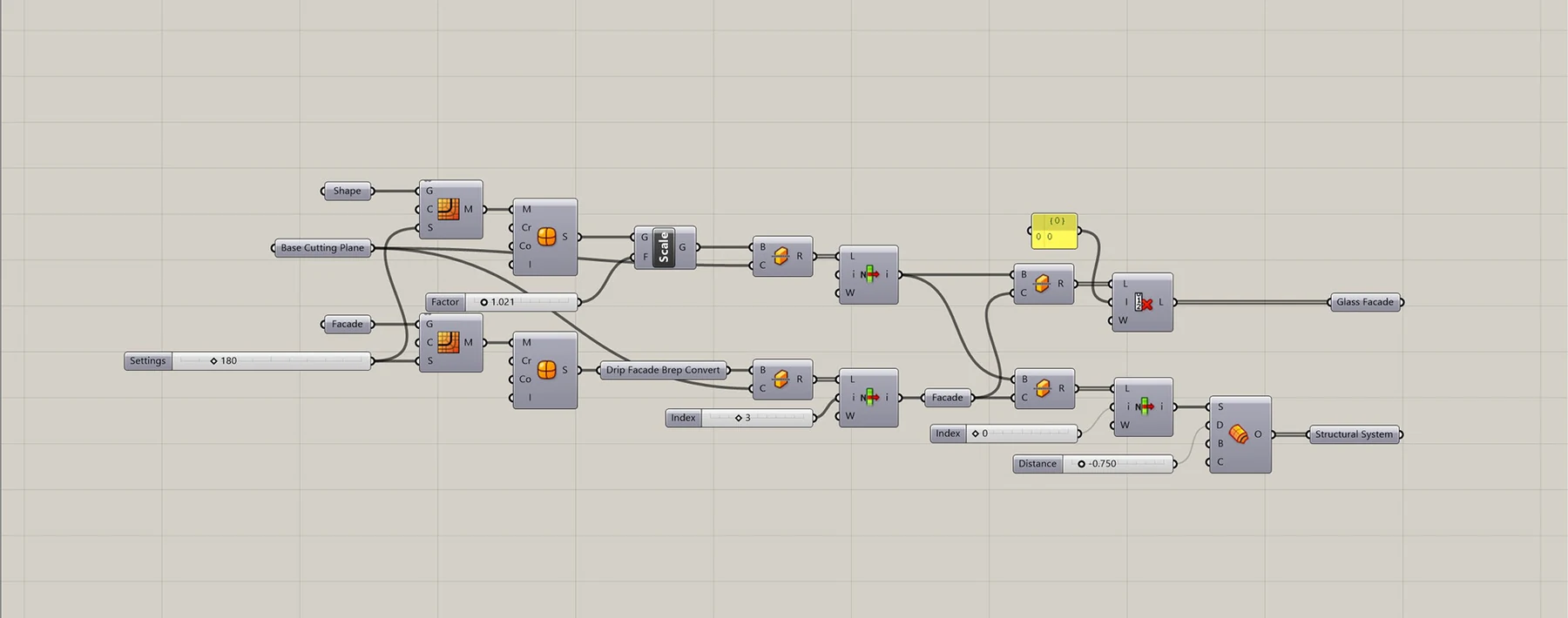
A Low-Rank Adaptation model was trained on site imagery gathered in Suseong-gu, Daegu, and applied to Flux.1-dev in ComfyUI, producing views of a city the base model had never seen. Those images are read as depth maps through the Grasshopper Image Sampler to generate topography, sectioned into 2D genotypes, and screened structurally in Karamba3D. Surviving genotypes are lofted into volumetric phenotypes and optimized in Wallacei X, and a neural network is trained in MATLAB on the resulting Pareto fronts.
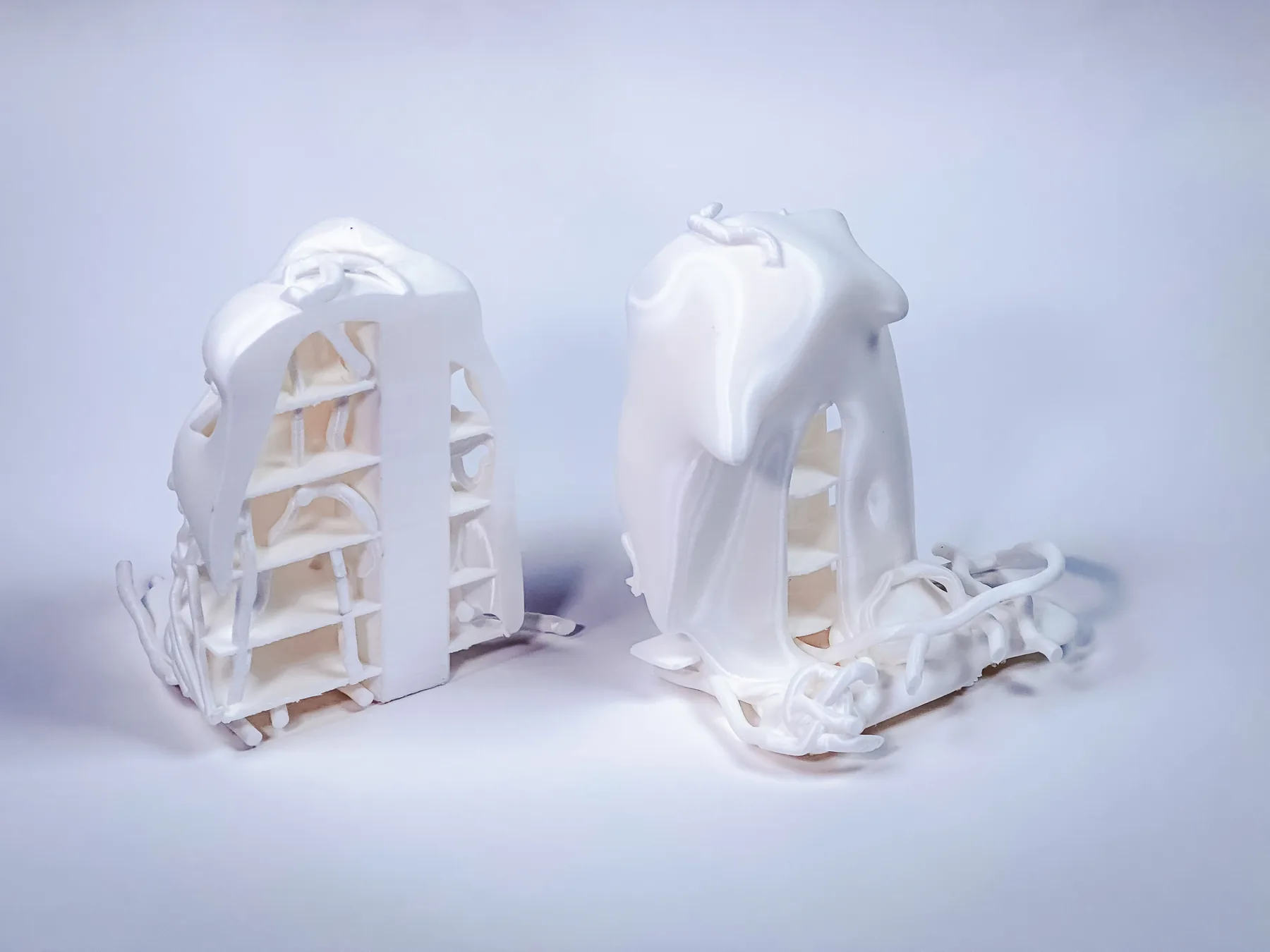
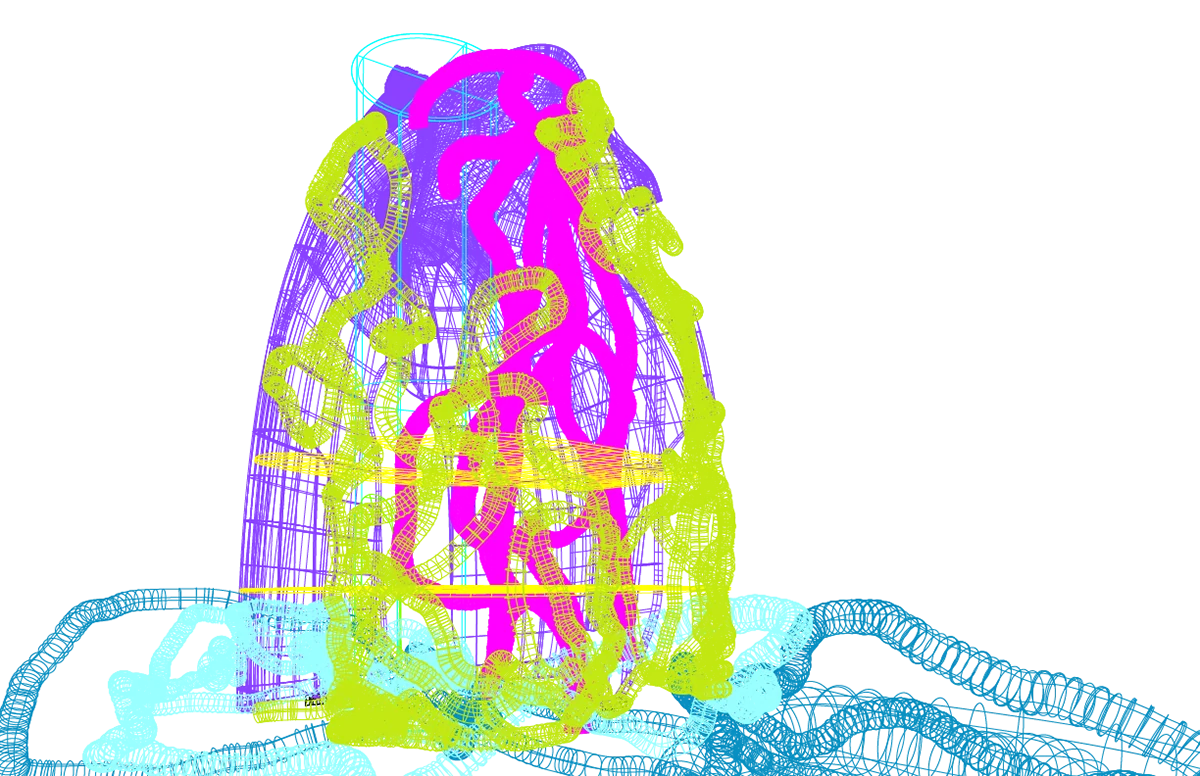
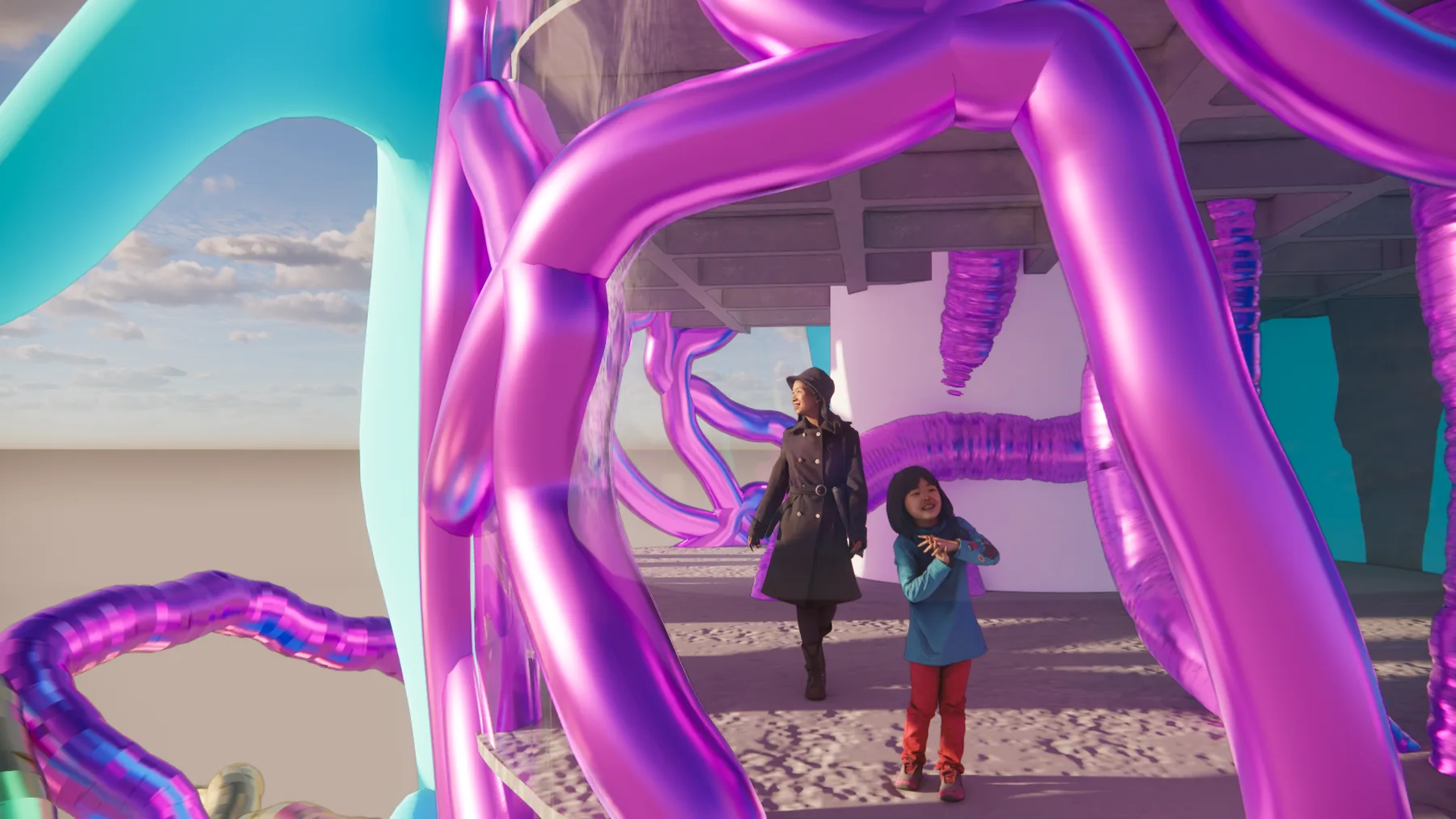
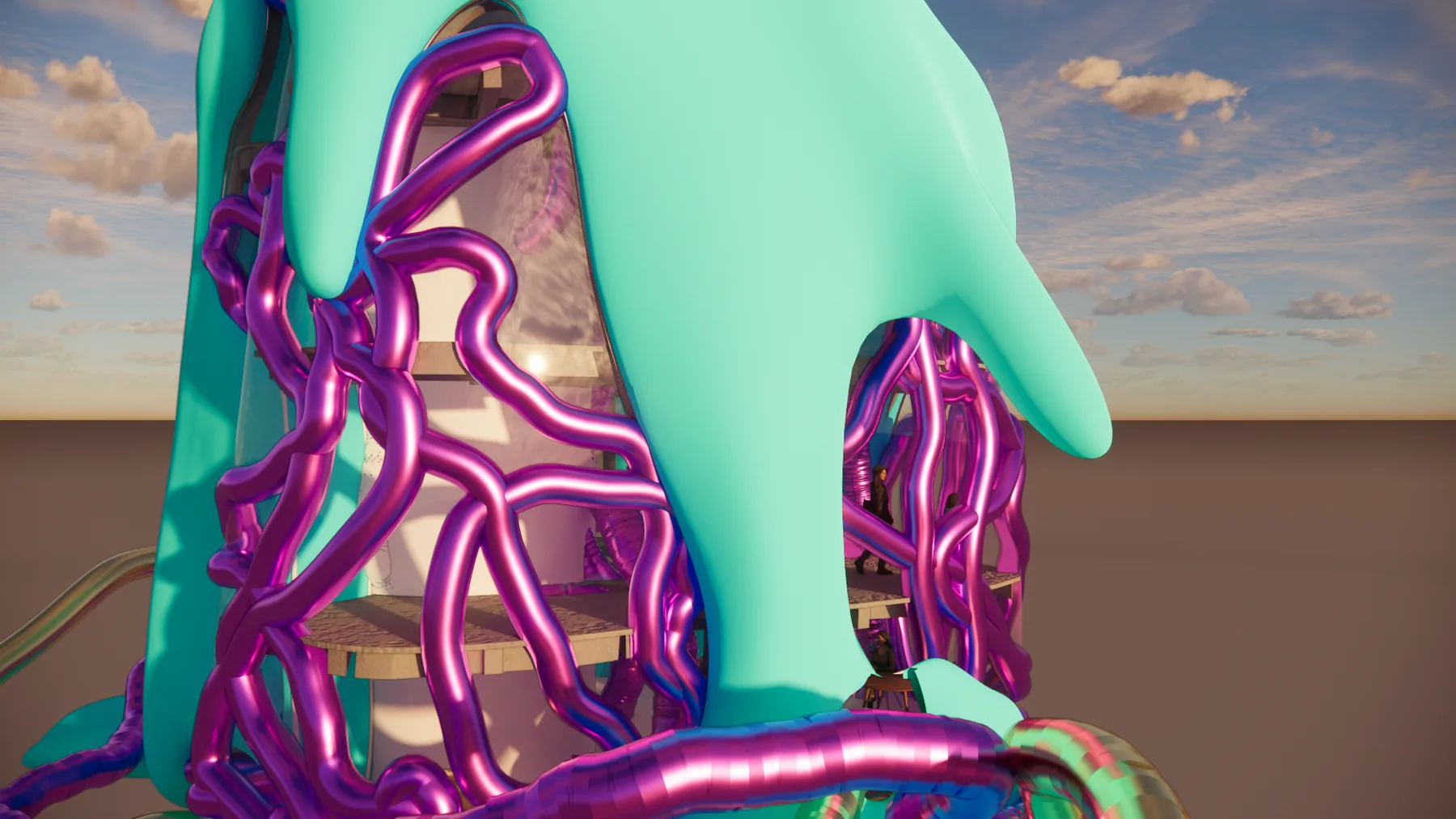
The first critique asked whether these images contain context, and at first they did not, as the initial LoRA was over-weighted and had to be recalibrated before its output read as Daegu. The MATLAB network trained to R = 0.93 across all sets. Context arrived as a statistical artifact of the training set rather than as a reading of the site, which is the argument the project is making.